Translated from the Hebrew by Hana Inbar and Robert Manaster
So Much God
What did I learn from synagogues?
The first, in Holon, was between a photo studio and café,
And through the eyes of a child, I imagined a photogenic God resting between prayers
And wetting His lips with a cup of tea.
The second, in Tel Aviv, revealed there were Ashkenazis and Sephardis.
The third, in Ramat Gan, set apart folding chairs
From armchairs for the rich.
In the fourth, the temporary one, shofars were heard in the middle of military training
Like whistles in a rock-n-roll show.
In the fifth, in Ramleh prison, there rattled between the fingers of God
A million keys for the hour of Neilah*,
And in the sixth, the “great” one, I found the key that locked my hand
In the hand of the one who married me.
The seventh, near the Jewish cemetery in Lodz, was closed even
On Shabbat,
And the ruins of the eighth in Mondovi, northern Italy were
Near the restaurant
Where a pasta dish was filled with angel hair.
There, between the wall’s lament, I remembered how on the first time my father
Hid me under his prayer shawl during the priestly blessing, I asked him,
In what synagogue does God really pray.
His hand pulled the tie
From the collar of his white dress shirt
And pointed at the fields that filled
The window
With strawberry kisses.
Then with lips very reddened
I chewed on one God.
*The Hebrew Neilah literally means “locking.” Neilah is also the last service on Yom Kippur (the Day of Atonement), where all the Gates of Prayer in heaven are closing and being “locked” except for the Gate of Tears.
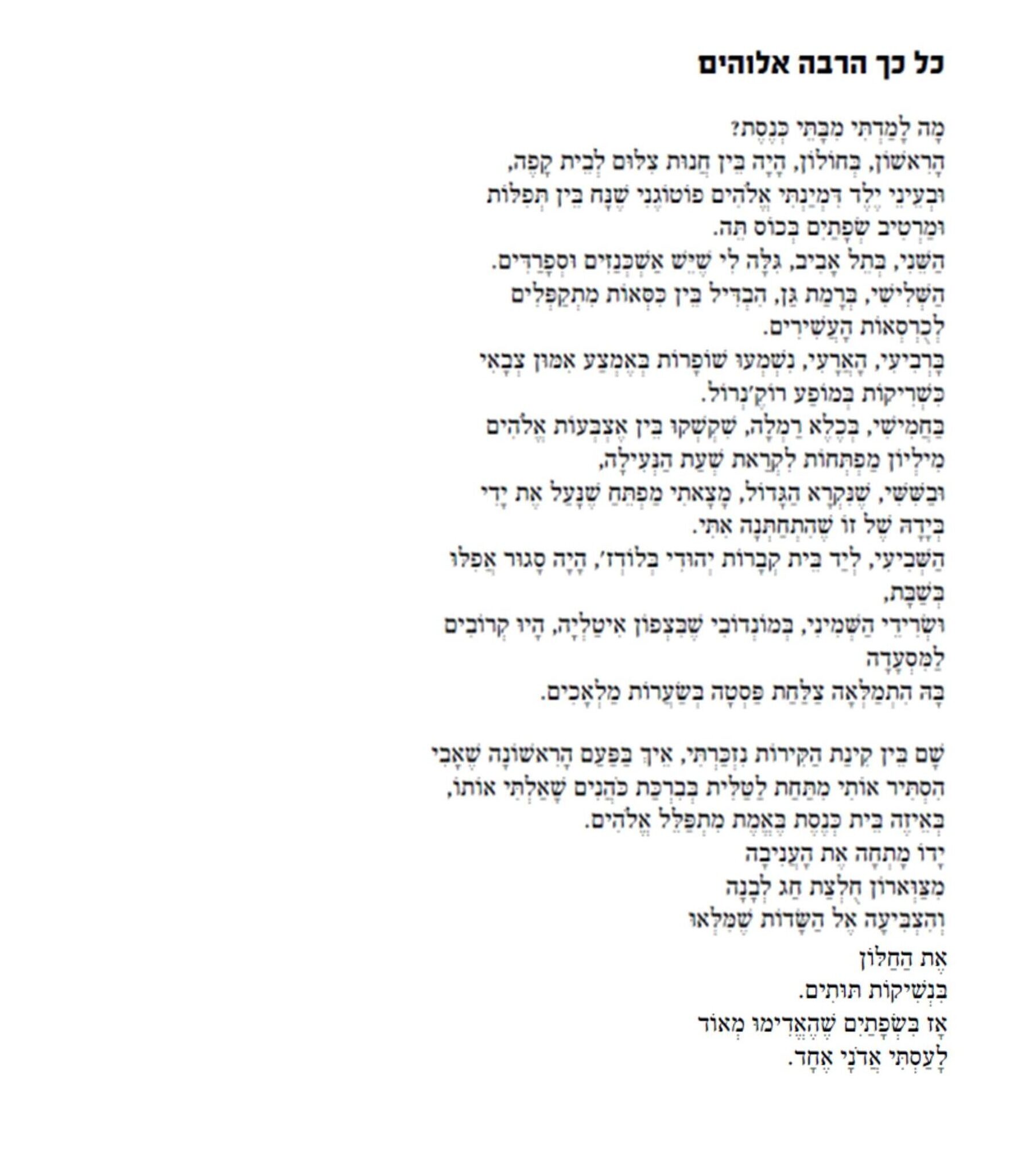
From So Much God [Kol kakh harbeh Elohim], Kinneret Zmora-Bitan Dvir, 2020, pp. 10-11.
Lily or Lila
“You know,” said the Russian neighbor to my father,
“This Umm Kulthum, the one you listen to so loudly,
said she’d come to sing in Tel Aviv when Abdel Nasser
conquers it.”
I stood by him and in my seven-year-old mind
there was a back-and-forth dilemma.
Am I for the blonde hair and turquoise eyes of the woman
who was also the mother of Lily, whom I crowned in my heart
as the beauty queen of the public housing project,
or for the singer who wanted to live in the eyes of night
and call to the sun, “Come on, come on.”
“We,” words fell from my father’s lips, “love her,”
and in his eyes, I saw he dreamt to say: “If this is true,
yallah, Nasser,
come, even for a minute.
Keep a spot for me in the first row,
and don’t let me miss the moment her voice uplifts
the wings of the bowties
from the violinists’ necks.”
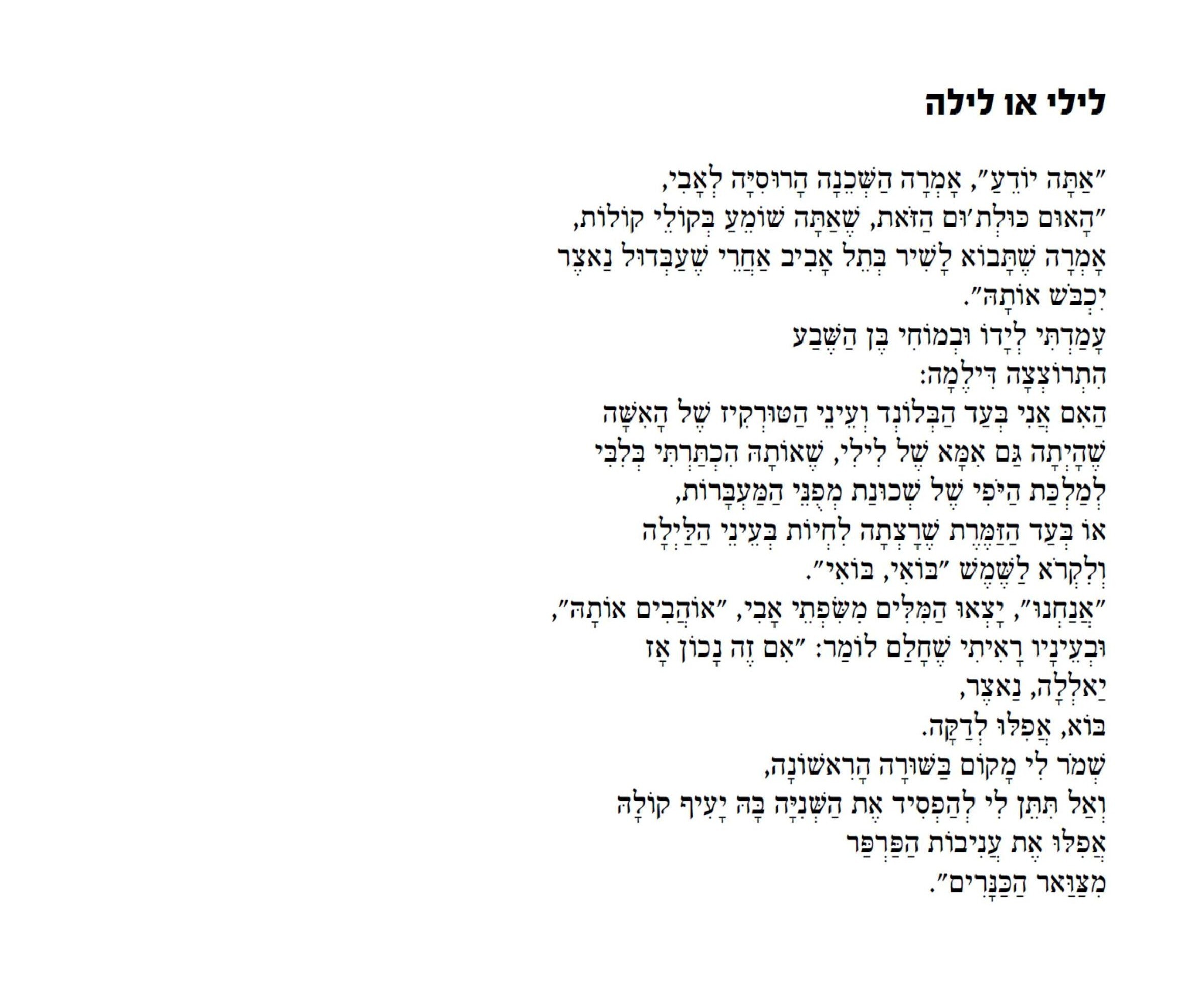
From So Much God [Kol kakh harbeh Elohim], Kinneret Zmora-Bitan Dvir, 2020, p. 12.
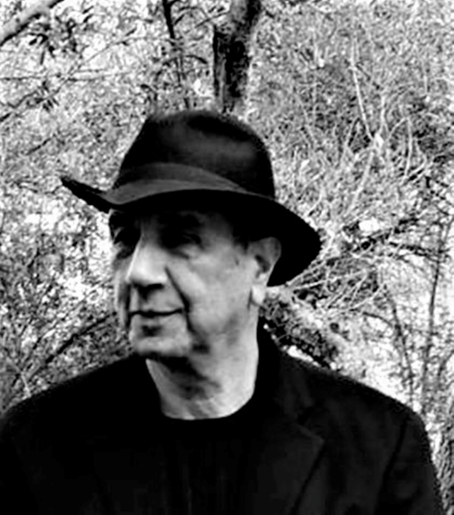
Ronny Someck has published 17 volumes of poetry. He has been translated into 45 languages. He’s recipient of the Prime Minister’s Award, the Yehuda Amichai Award for Hebrew poetry, the “Wine Poem Award” in Struga Poetry Evenings (Macedonia, 2005), and the Hans Berghuis Prize for poetry in the Maastricht International Poetry Nights (2006).
Co-translators Hana Inbar and Robert Manaster have published two books of translations: Ronny Someck’s The Milk Underground (White Pine Press), which was awarded the Cliff Becker Book Prize in Translation, and Yossel Birstein’s And So Is the Bus: Jerusalem Stories (Dryad Press).
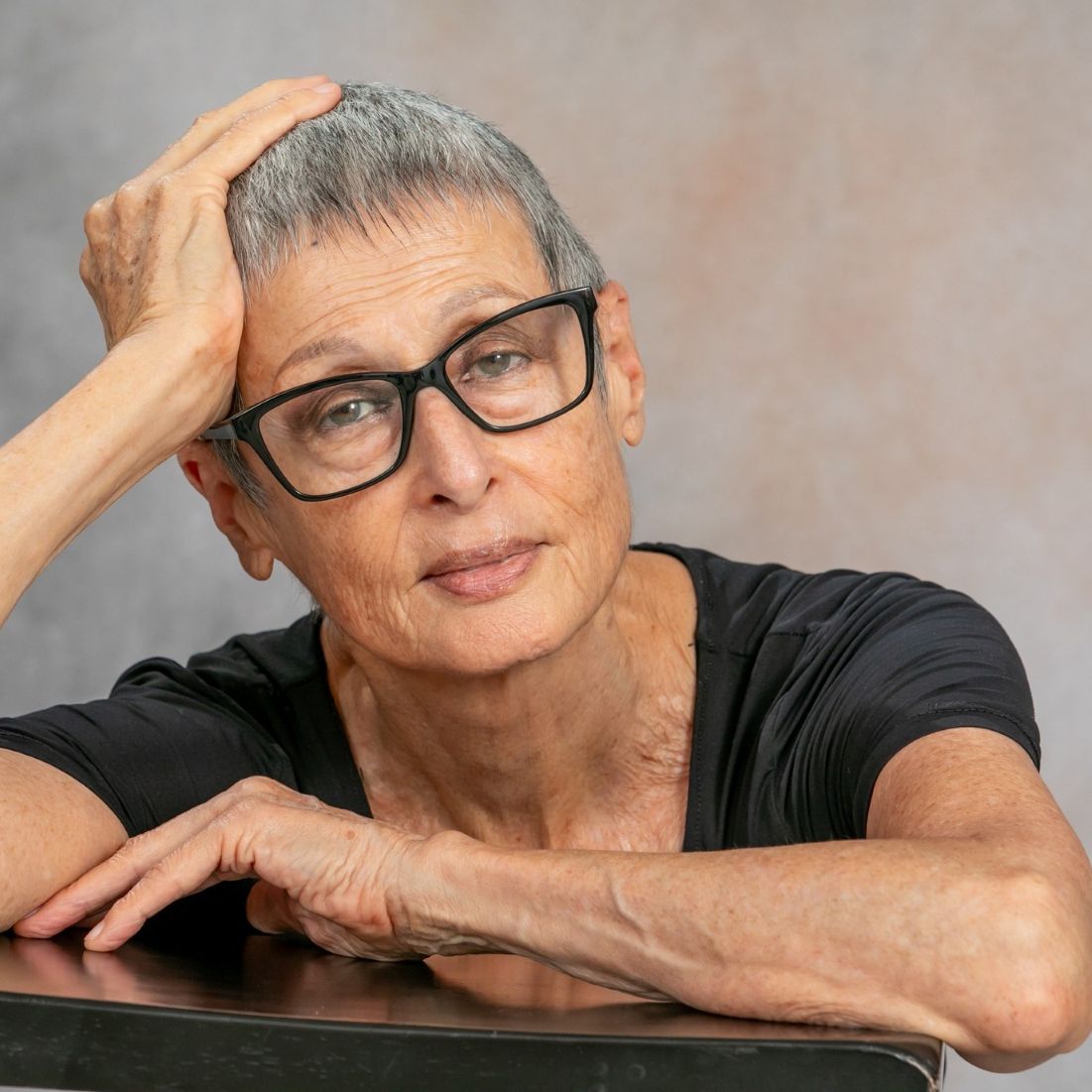
Hana Inbar is a native Israeli and the daughter of Yossel Birstein, a noted Israeli writer.
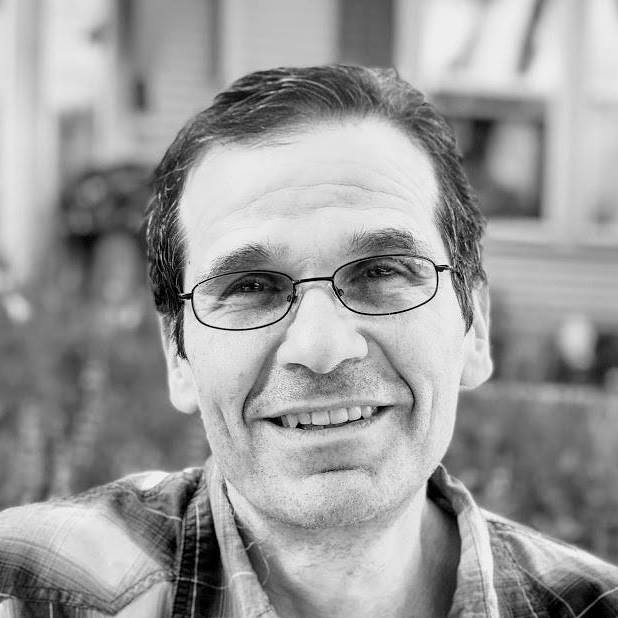
Robert Manaster is the author of The Last Jew: Poems from an Interfaith Marriage. His poetry has appeared in numerous journals including International Poetry Review, Image, Birmingham Poetry Review, and Rhino. He’s also published poetry book reviews in such publications as The Rumpus, Colorado Review, and North American Review. His website is http://robertmanaster.net